
Magna Via Francigena in Sicily: Italian charm at every step
Actualizado Abril 2026 · Nuevas rutas y credenciales de peregrino disponibles
Qué es la Magna Via Francigena y por qué se llama así
El nombre puede parecer complejo, pero encierra toda la historia del camino. “Via Francigena” era la gran red de rutas medievales que conectaban Europa con Roma, recorridas por peregrinos durante siglos. La Magna Via Francigena es su extensión en Sicilia: un trazado histórico que atraviesa la isla de Palermo a Agrigento siguiendo antiguos caminos de intercambio, fe y movimiento.
“Magna” no significa solo “grande”, sino también importante. Porque este no es un camino cualquiera dentro de Sicilia: es uno de los itinerarios más significativos para comprender su historia, sus capas culturales y su identidad más profunda.
Un camino que empieza en una sensación
Hay un momento, en el interior de Sicilia, en el que el mundo parece bajar la voz. No ocurre en las ciudades ni en la costa, sino en esos caminos que atraviesan colinas doradas donde el viento mueve la hierba como si fuera mar, y el tiempo, sin previo aviso, deja de apurarse.
The Magna Via Francigena in Sicily no empieza en un mapa. Empieza en una sensación. En el primer paso fuera de Palermo, cuando el ruido queda atrás y el paisaje comienza a hablar en otro idioma: el de la tierra seca, los senderos antiguos y los silencios largos que no incomodan, sino que acompañan.
El “camino Sicily” que muchos buscan sin saber su nombre
Muchos llegan hasta aquí buscando algo que no saben nombrar. Escriben en internet camino Sicily, ruta a pie en Sicilia, o simplemente “caminar en Italia”, sin saber que este recorrido tiene nombre propio y siglos de historia. Y cuando lo descubren, ya es tarde: el camino los ha elegido a ellos.
Caminar para algo más que avanzar
Porque este no es un trayecto diseñado para impresionar, sino para transformar. No hay monumentos constantes ni estímulos rápidos. Hay otra cosa: una belleza que aparece despacio, casi en silencio. Una puerta abierta en un pueblo pequeño. Una conversación breve en una lengua que se mezcla entre italiano y memoria. El olor del pan caliente al atravesar una calle estrecha. La sensación de estar atravesando algo más profundo que un territorio.
A lo largo de sus 184 kilometers, la ruta une Palermo con Agrigento atravesando una Sicilia que no se muestra de inmediato. Es una isla hecha de capas: árabe, normanda, campesina, espiritual. Cada etapa no solo cambia el paisaje, cambia también la forma de mirar. Lo que al principio parece vacío, después se revela lleno. Lo que parecía silencio, se convierte en presencia.
El ritmo lento que transforma el viaje
Aquí no hay multitudes ni prisas. No hay señales luminosas ni rutas saturadas. Hay caminos de tierra, horizontes abiertos y pueblos donde el tiempo parece haber decidido quedarse un poco más. Caminar se vuelve un gesto simple y, al mismo tiempo, esencial: avanzar, respirar, observar. Nada más. Nada menos.
El cuerpo se adapta. El pensamiento se ordena. Y en algún punto, que no siempre puedes identificar, dejas de caminar para llegar a un destino y empiezas a caminar para permanecer.
Caminar la Magna Via Francigena no es solo atravesar Sicilia. Es entrar en ella.
Real comparison based on your profile
The Magna Via Francigena in Sicily It is a walking route of 184 kilometers, divided into 9 marked stages, The route, which connects Palermo with Agrigento, crosses the rural interior of the island. It can now be walked independently, with official signage, a pilgrim's credential, and a moderate difficulty level suitable for walkers with basic fitness.
👉 If you're thinking about taking this route:
See complete stages of the Magna Via Francigena
There are paths that don't seek shortcuts, but meaning. In Sicily, the Magna Via Francigena—the historic road that connects Palermo and Agrigento—began to pulse once again like an ancient thread that stitches together past and present: a path where every step breathes history and silence, and where the pilgrim becomes a narrator of the landscape.
Walking has ceased to be a utilitarian activity and has become a form of quest. The contemporary pilgrim does not always start from a religious faith: sometimes they are driven by the need to break free from routine, to organize scattered thoughts, to rediscover the slow rhythm of walking, or simply to enjoy the landscape with all their senses.
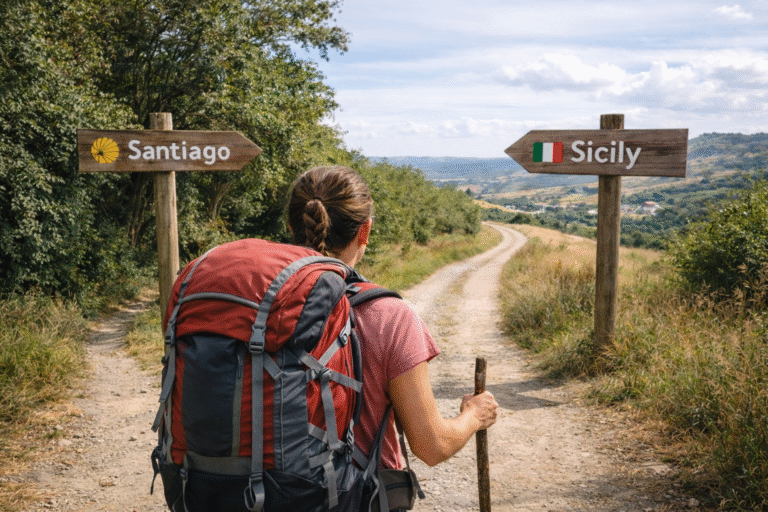
The most well-known example is the Camino de Santiago, but Europe has other routes just as ancient and full of meaning. One of them is the Magna Via Francigena, In Sicily: 184 km connecting Palermo with Agrigento, passing through towns where Arab, Norman and medieval voices still resonate.
A key detail: this Sicilian stretch is part of the universe of the Via Francigena, The Via Francigena is the great historical network of pilgrimage routes to Rome. Its Sicilian version is more intimate and less crowded.
After centuries of neglect, this route was officially revived in 2017. Today it has signage, credentials and digital guides, making it a real alternative for exploring Sicily on foot.
🚶 The stages of the path
The Magna Via is not just understood as a route, but as a sequence of landscapes and towns where Sicily changes at each stage.
👉 Explore each stage with real-world distance, difficulty, and advice.
- Palermo → Santa Cristina Gela
- Santa Cristina Gela / Piana degli Albanesi → Corleone
- Corleone → Prizzi
- Prizzi → Castronovo di Sicilia
- Castronovo → Cammarata / San Giovanni Gemini
- Cammarata / San Giovanni Gemini → Sutera
- Sutera → Racalmuto / Grotte
- Racalmuto / Grotte → Joppolo Giancaxio
- Joppolo Giancaxio → Agrigento
Consult the complete guide with distance, terrain difficulty and suggested training for each stage of the Magna Via Francigena.
Explore the stages →⏳ Duration and pace
The journey takes about nine days, balancing physical exertion with enjoyment of the scenery. As a reference, many stages range between 20–25 km and some 5–7 hours daily walk, according to pace and stops.
Difficulty of the Magna Via Francigena
The difficulty is average. It's not technical trekking, but it does require stamina for long stages, basic prior preparation, and attention to the heat during the warmer months. The terrain alternates between rural roads, dirt tracks, and short stretches of paved road, with moderate inclines.
How much does it cost to do the Magna Via Francigena?
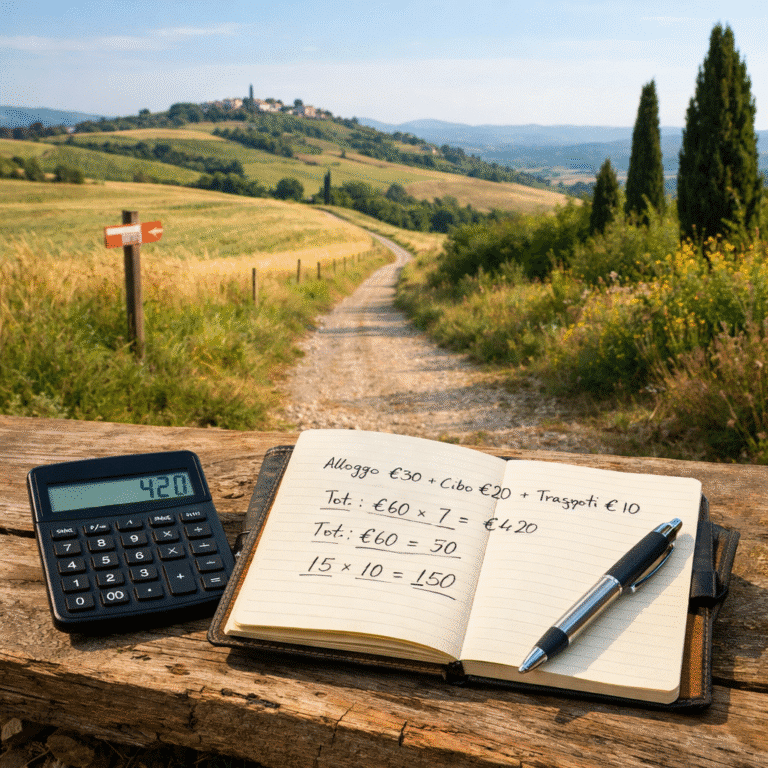
The budget depends on the type of accommodation, but as a reference:
- Accommodation: €30–60 per night
- Meals: €15–25 per day
- Extras and transport: variable
A full week usually ranges between 400 and 800 €, according to the comfort level.
Where to sleep on the Magna Via
The hospitality network includes rural B&Bs, small family-run hotels, accommodations linked to the Camino, and, in some cases, local hospitality. During the shoulder and peak seasons, it's advisable to book in advance, especially on stages with fewer options.
Best time to travel the Magna Via
The ideal months are spring (April–June) and autumn (September–October). In summer, the Sicilian heat can be intense, especially on stretches without shade; plan early starts and stay hydrated.
👉 Not sure whether to choose this route or the Camino de Santiago?
Real comparison based on your profile
❓ Frequently Asked Questions
How many kilometers long is the Magna Via Francigena in Sicily?
184 km between Palermo and Agrigento, divided into 9 marked stages.
Is it difficult to walk the Magna Via Francigena?
It has a medium difficulty level: some stages are long, but accessible with basic preparation.
Can it be done alone?
Yes. It is signposted and safe, but it is advisable to plan stages and accommodation in advance.
Is it comparable to the Camino de Santiago?
In terms of stages, yes. In terms of crowds, no: it's much less massive and more intimate.
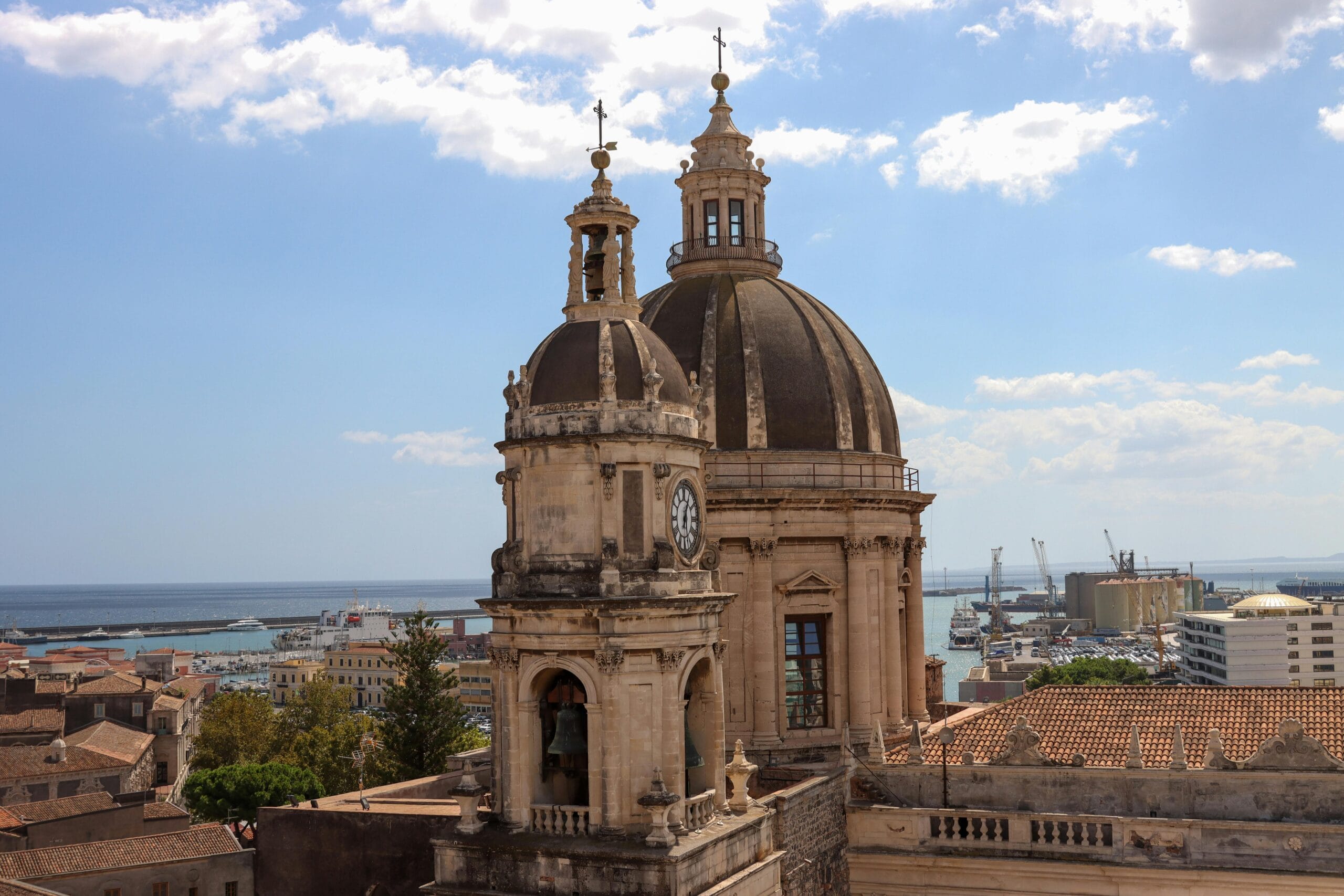
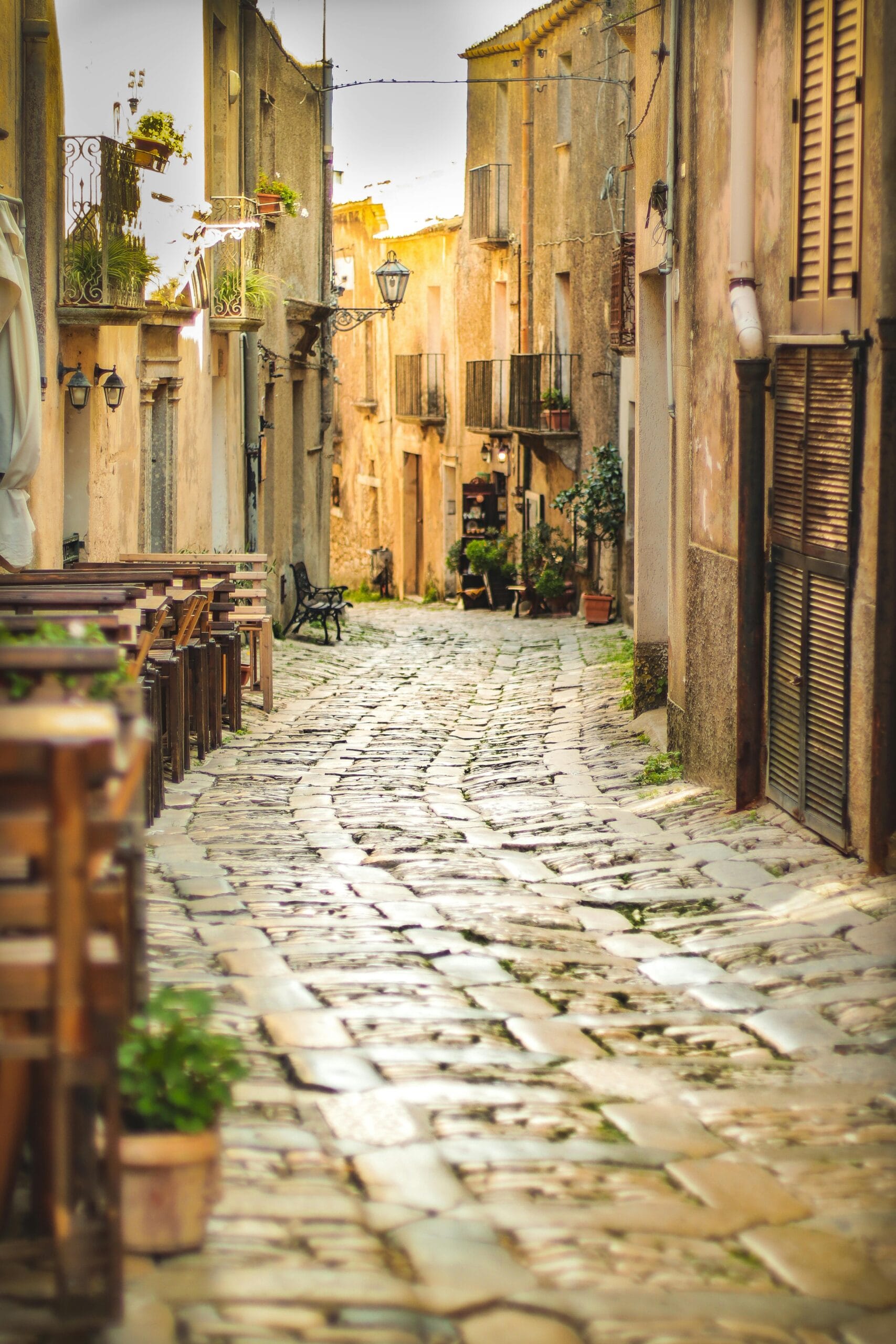
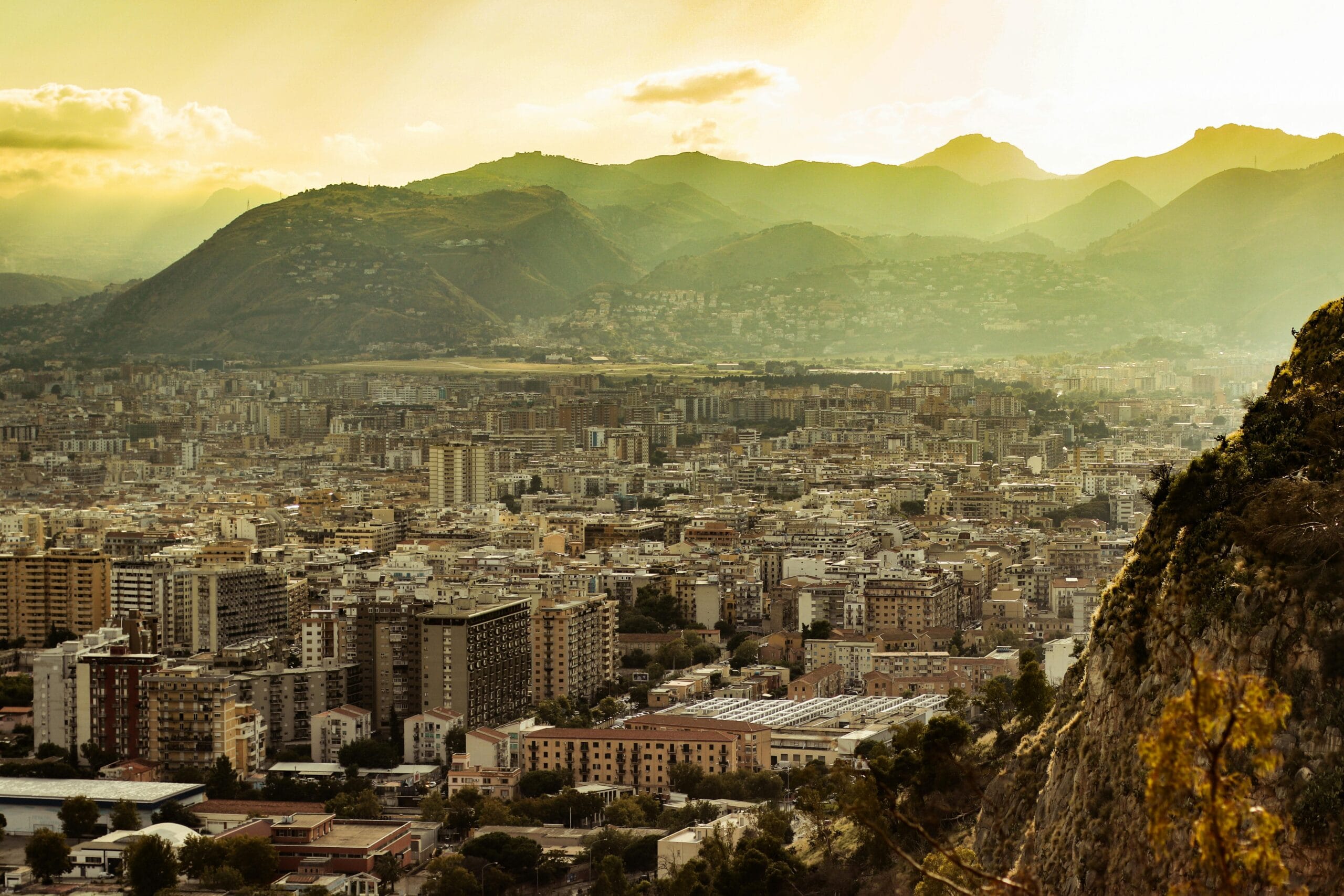
🌿 Explore the Sicily Camino special
The Magna Via Francigena (184 km) connects Palermo with Agrigento in walkable stages, offering villages, history, and a human-scale view of Sicily. Here's direct access to the complete guide, the stage guide, and a comparison with the Camino de Santiago.
Read the full guide View stages of the journey Compare with Santiago Read about securityIdea-guide: if you want a pilgrimage with fewer crowds and more real Sicily, this route gives you a "path" without asking for a numbered ticket.
Quick Fact Sheet
| Distance | 184 km |
| Route | Palermo → Agrigento |
| Stages | 9 (approx.) |
| Difficulty | Moderate |
| Best time | Spring / Autumn |
 English
  Español
  Français
  Italiano