
Magna Via Francigena: the Italian Camino de Santiago
🌿 Magna Via Francigena: the Italian Camino de Santiago
Updated November 2025 · New routes and pilgrim credentials available
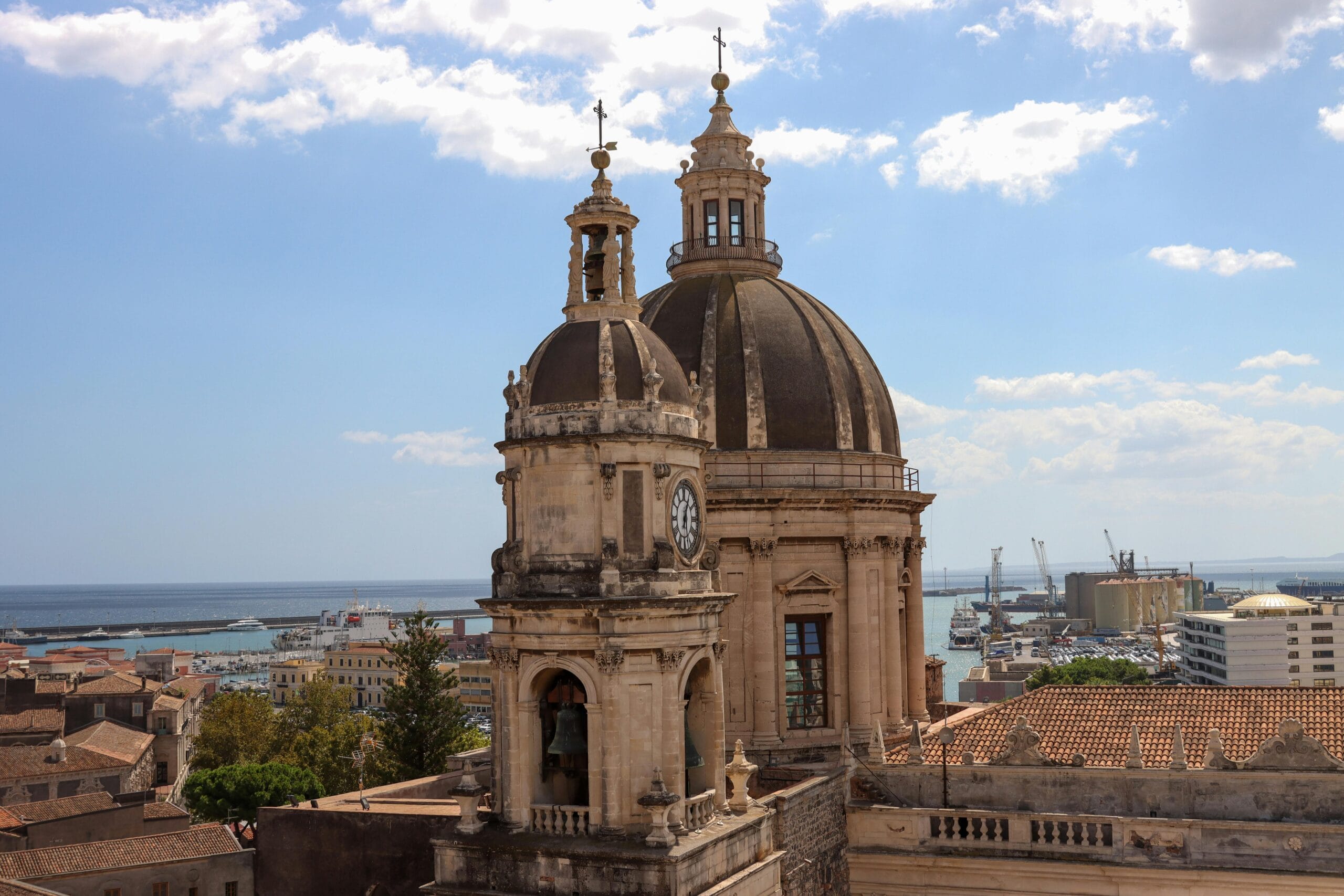
The Magna Via Francigena in Sicily It is a walking route of 184 kilometers, divided into 9 stages, which unites Palermo with Agrigento.It can be explored today independently and with signposting, with a medium difficulty, suitable for walkers with basic training.
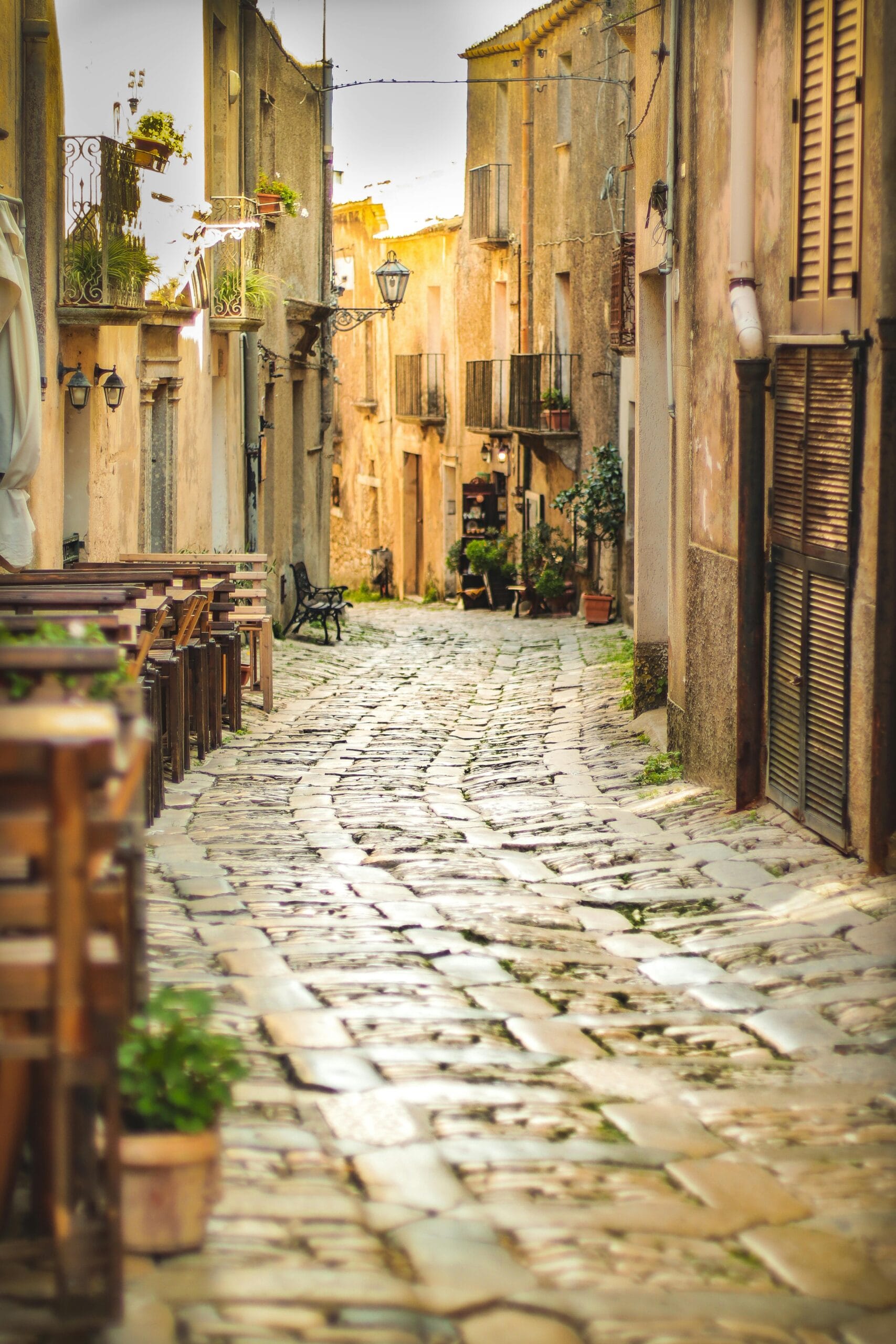
There are paths that don't seek shortcuts, but meaning. In Sicily, the Magna Via Francigena, the historic road that connects Palermo and Agrigento, It began to beat again like an ancient thread that stitches together past and present: a path where every step breathes history and silence, and where the pilgrim becomes a narrator of the landscape.
Walking has ceased to be a utilitarian activity and has become a form of quest. The contemporary pilgrim does not always start from a religious faith: sometimes they are driven by the need to break free from routine, to organize scattered thoughts, to rediscover the slow rhythm of walking, or simply to enjoy the landscape with all their senses.
The most well-known example is the Camino de Santiago, but Europe has other routes just as ancient and full of meaning. One of them is the Magna Via Francigena, In Sicily: 184 km connecting Palermo with Agrigento, passing through towns where Arab, Norman and medieval voices still resonate.
One key detail: This Sicilian stretch is part of the universe of the Via Francigena,The great historical network of pilgrimage routes to Rome. Magna Via Francigena It's their version in Sicily: more intimate and less massive.
After centuries of oblivion, this route was officially revitalized in 2017. Today it has signage, credentials and digital guides, making it a real alternative for exploring Sicily on foot.
🚶 The stages of the path
- Palermo → Santa Cristina Gela
- Santa Cristina Gela / Piana degli Albanesi → Corleone
- Corleone → Prizzi
- Prizzi → Castronovo di Sicilia
- Castronovo → Cammarata / San Giovanni Gemini
- Cammarata / San Giovanni Gemini → Sutera
- Sutera → Racalmuto / Grotte
- Racalmuto / Grotte → Joppolo Giancaxio
- Joppolo Giancaxio → Agrigento
⏳ Duration and pace
The route is completed in about nine days, balancing physical exertion with enjoyment of the scenery.
❓ Frequently Asked Questions
How many kilometers long is the Magna Via Francigena in Sicily?
184 km between Palermo and Agrigento, divided into 9 marked stages.
Is it difficult to walk the Magna Via Francigena?
It has a medium difficulty level: some stages are long, but accessible with basic preparation.


 English
  Español
  Français
  Italiano