
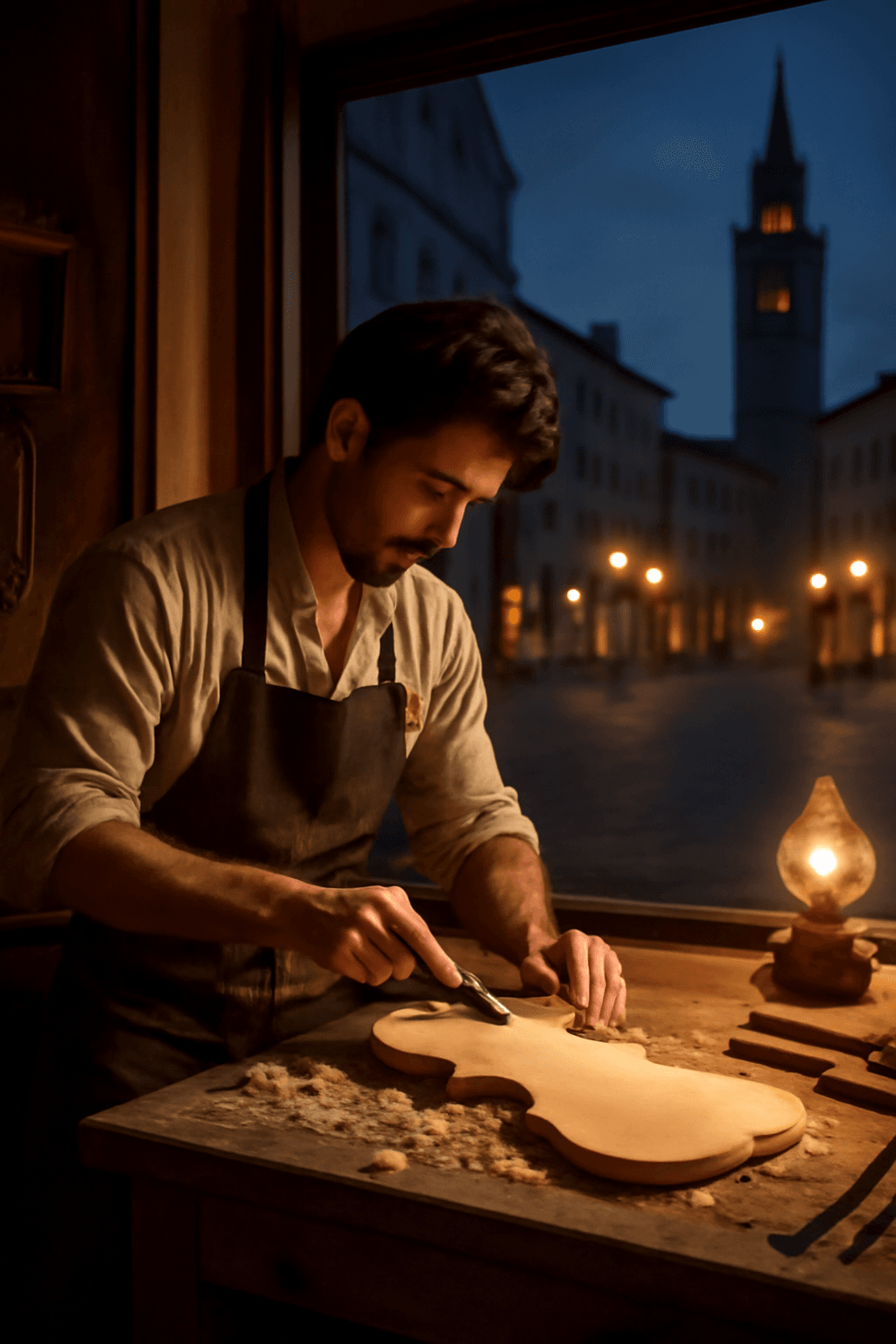
The sound of wood
🎻 Cremona and the origin of the violin
Cremona is a city in northern Italy, located in the Lombardy region, not far from the Alps. Here, the seasons are deeply felt. The cold, serene winters descend slowly upon the city, bringing a stillness that seems to amplify the silence of the workshops and streets. Winter in Cremona is not just about the cold: it is a time when the city seems to breathe more calmly, almost as if time itself decides to take a break to make room for sound.
Winter temperatures can be frigid, with gray days and clear skies that drag on, like an old song. But when spring arrives, Cremona gently awakens, as if the wood that shapes violins were also awakening to new life. Summers, though warm, retain the coolness of the Po River, which gives the city a light, ever-present breeze, like a distant murmur.
The spirit of Cremona is imbued with a profound serenity. It is not a city for hustle and bustle. It is a city that invites you to pause, to take the time to look, to listen. Here there is no hurry. You walk as if savoring a slow melody, each step marking a rhythm that flows between the facades of the old buildings, the cobbled squares, and the doors of the workshops where violins are born.
🎶 Is it possible to listen to a concert in Cremona while having a coffee?
In Cremona, sound is ever-present, even when it seems to fall silent. In winter, when the streets empty and the cold settles in, the sound of violins seems to drift from closed workshops, half-open windows, and doors opened only for a lucky few. It's as if, somehow, the violin is waiting to be played. And while sipping coffee in one of the small cafes on the main square, amidst the winter stillness, you can almost feel the strings vibrating in the cold air.
In Cremona, you don't need a stage to hear music. The city itself is a concert, and every corner has its own score, from the soft sounds of luthiers at work to the distant echo of a string singing for the first time. In a harsh winter, sitting by a window, watching the snow fall slowly while the aroma of coffee mingles with the serenity of the place, is like being part of a symphony that never stops.
🎻 When the violin found its shape
The violin, as we know it today, began to take shape in Cremona in the mid-16th century. It did not arise from a single gesture or a sudden invention, but from a series of careful decisions, passed down and refined over time.
It was Andrea Amati who established the fundamental proportions of the instrument, giving rise to a school that would shape the course of Western music. His legacy continued with his grandson Niccolò Amati, master of a pivotal generation of craftsmen.
Among them, one would take that knowledge to an almost mythical level: Antonio Stradivari, born in Cremona in 1644 and died there in 1737.
Stradivari didn't break with tradition. He listened to it so attentively that he knew how to refine it. His violins didn't seek to dominate through power, but through balance, depth, and clarity. Three centuries later, they remain an absolute benchmark. Not because they are old, but because they are still alive.
🪵 What does it mean to be a luthier
The word luthier comes from the French luth —lute—, but in Cremona its meaning goes far beyond a technical definition.
A luthier does not make instruments.
Interpret the matter.
His work consists not only of building, but of deciding when to intervene and when to withdraw. He listens more than he plays. He observes more than he corrects. His sensitivity lies not in ornamentation, but in the response of the sound.
Being a luthier means accepting that each instrument is unique, that no two woods are alike, and that true knowledge isn't acquired quickly. It's inherited, practiced, and refined over the years.
🎼 The wood that already makes a sound before it becomes a violin
Before it is an instrument, the violin is a tree.
In the Cremonese tradition, the choice of wood was never a mechanical gesture. Maple for the back and sides. Spruce for the top. Not by chance, but for its ability to vibrate, to respond, to sustain the sound over time.
Choosing that wood was not a transaction, but an act of recognizing what was already present, something the luthier saw and heard in every fiber, something he already knew would be part of the violin.
For centuries, the finest wood came from alpine forests where slow growth—shaped by the cold and the altitude—produced regular grain and precise densities. Choosing that wood wasn't simply a purchase, but an acknowledgment of what the luthier already knew would shape a violin that resonated with the clarity and balance that tradition demanded.
That's why the process has a certain ceremonial quality from the very beginning. You don't just start building a violin. A transformation begins to be supported.
🛠️ The workshop: silence, time and irreversible decisions
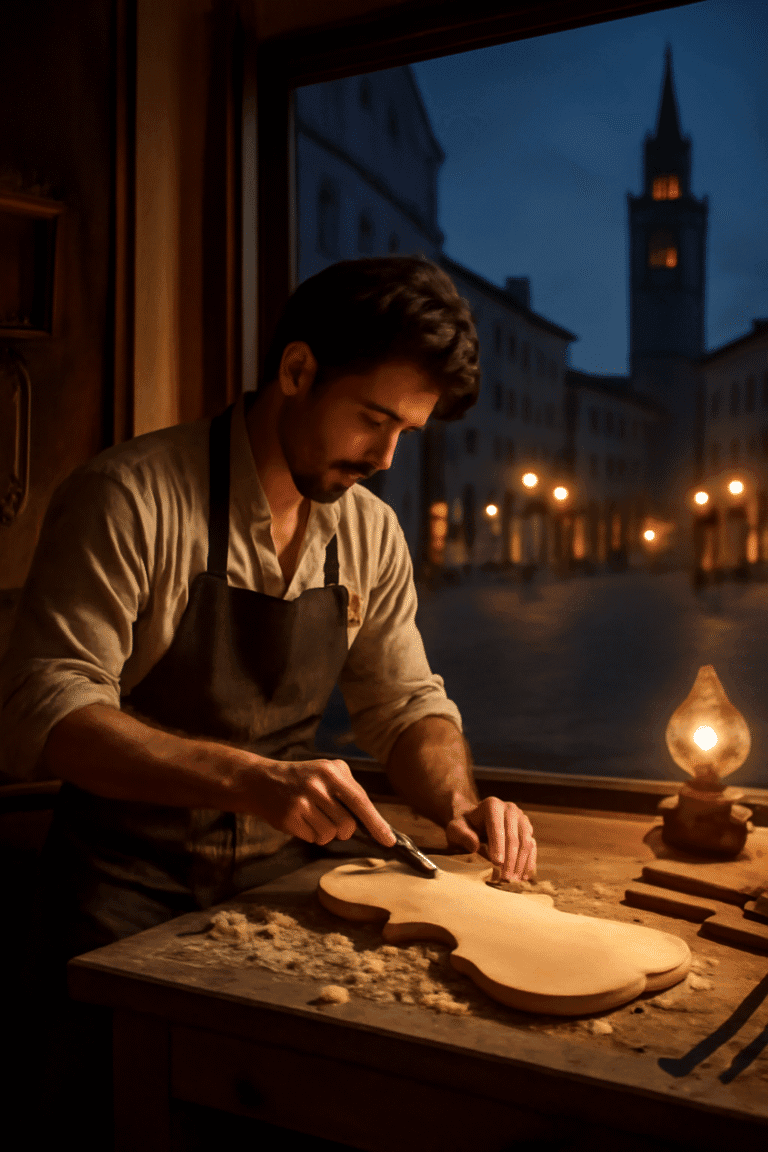
Entering a lutherie workshop in Cremona is like stepping into a different rhythm. There's no unnecessary noise. No mass production. There are well-worn workbenches, minimal tools, and absolute attention to detail.
Each violin is built entirely by hand. The thickness of the top, the curvature, the varnish, the drying times: everything influences the final sound of the instrument. A single millimeter can change everything.
Here, the mistake cannot be corrected hastily. That's understandable. And, if necessary, it goes back.
The decisive moment isn't when the violin is finished, but when it responds for the first time. That initial sound isn't seeking applause. It's seeking coherence. If something isn't right, the luthier will know. And will wait.
📍 What you can find in Cremona today
Cremona doesn't preserve its traditions as mere memories, but as a living practice. Those who arrive in the city with curiosity can find:
- Luthier workshops where you can observe the process of building a violin, from the choice of wood to the final adjustment of the strings.
- Museums and historical instruments, which allow one to understand the evolution of the violin and its link with the city.
- Schools and training centers, where knowledge continues to be passed from teacher to apprentice.
- Cremona itself, where every corner of the city offers a new opportunity to hear its history, whether in the sound of violins, in the creaking of wood or in the breeze that carries with it echoes of past centuries.
🎶 The sound of wood is revealed
And perhaps that is why, in this patient city, the violin was not born as an object, but as a way of listening to the world.
Explore more about the news about travel experiences or discover our live webcams .
Furthermore, if you are interested in learning more about the history of Cremona and its instrument-making courses, we invite you to discover more about the courses and workshops in Cremona .
🔥 Another artisanal experience to live firsthand
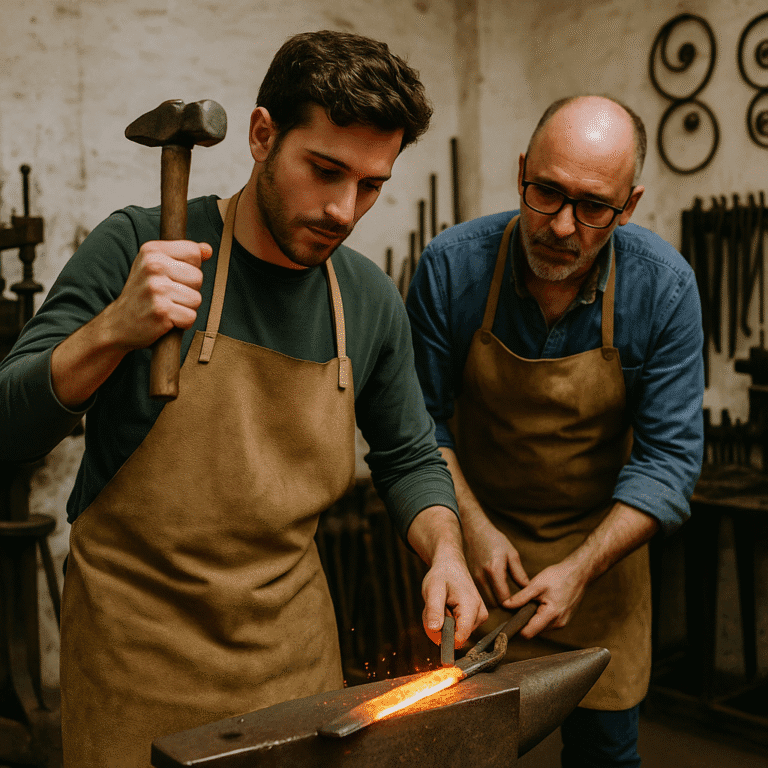
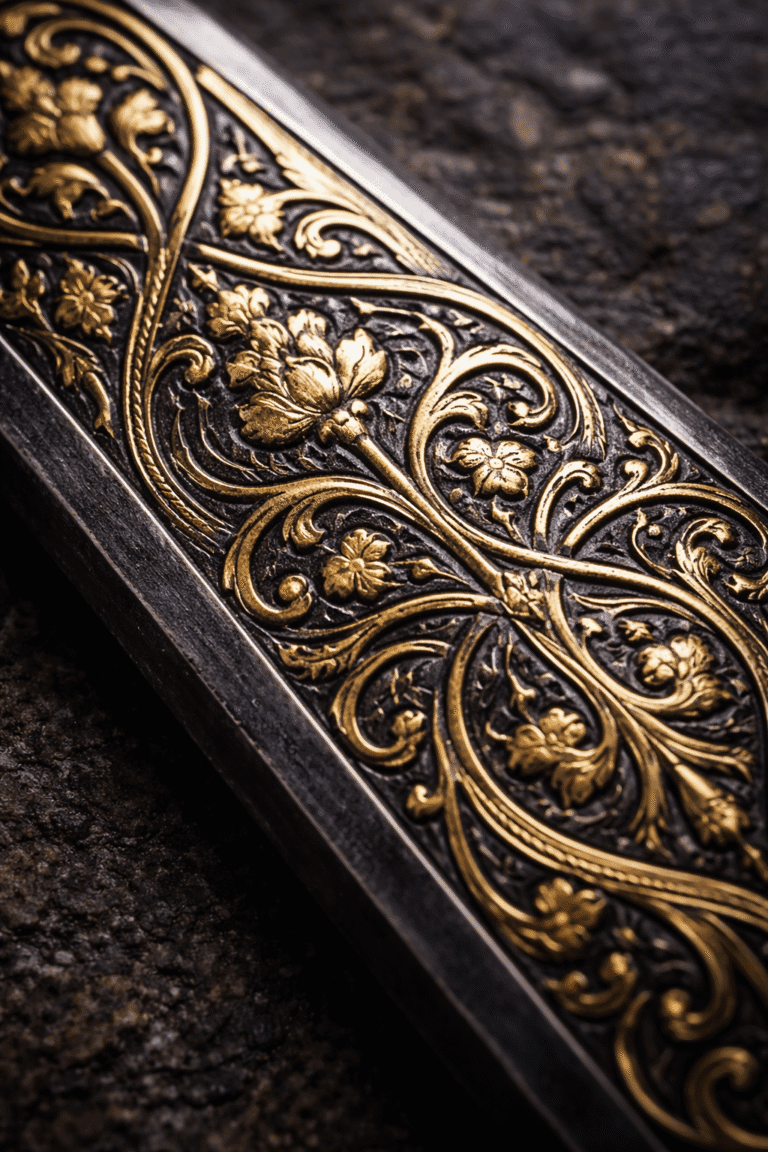
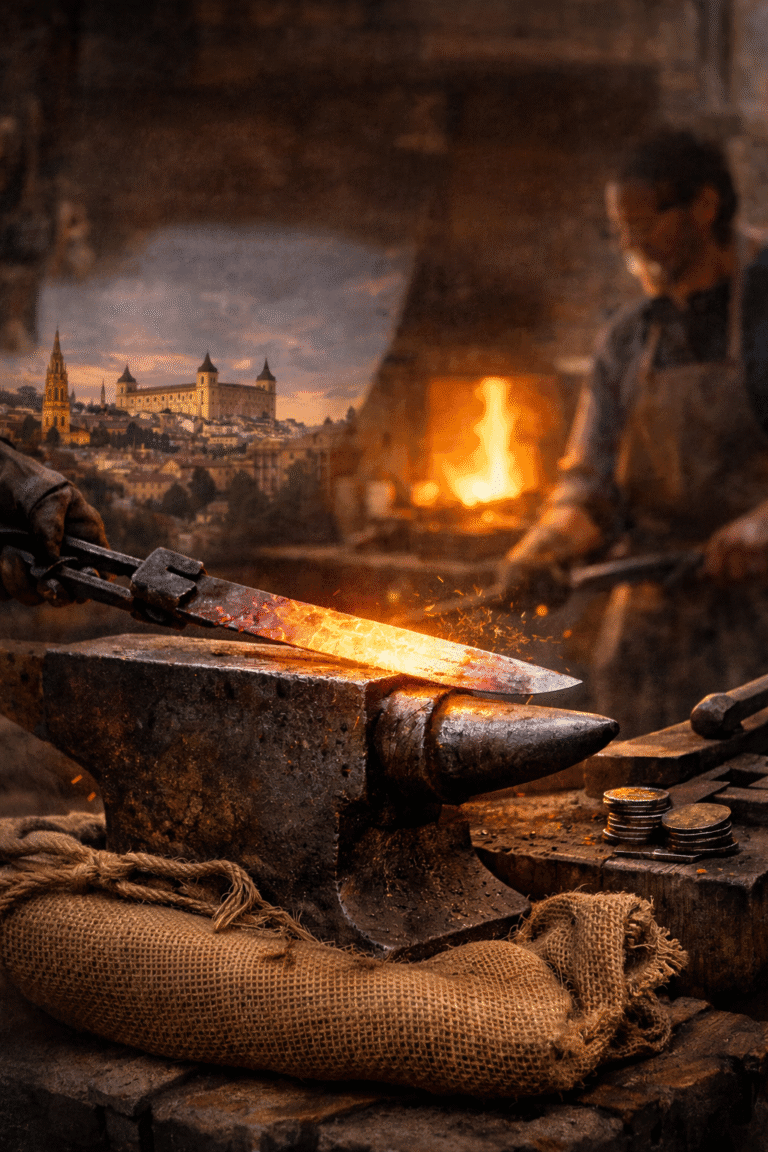
If you are drawn to royal trades, fire also has its music: the hammer, the furnace and the red-hot steel in a workshop in Toledo. Forging apprentice · Live a day as a swordsmith in Toledo →
EXPLORE MORE
Trades, paths and cultural traditions
Explore other articles related to crafts, history, and cultural routes in Europe.
🔥 Traditional Forging · Toledo
- SWORD FORGING AND DAMASCENE WORKSHOP - TOLEDO, SPAIN
- Forge Apprentice: Live a Day as a Swordsmith in Toledo
- Apprentice blacksmith in Toledo
- How much does it cost to forge a sword in Toledo?
- The swords of Toledo and the myth of medieval weight: how much did swords and armor really weigh?
- How to recognize an authentic Toledo sword
- Is it possible to take a sword from Toledo on a plane and home?
- The most famous swords in history
- Apprentice from Forgia to Toledo
- Apprenti forgeron à Tolède: live a day in a traditional atelier
🥾 Cammini and cultural itineraries
- Cammini and cultural itineraries in Italy
- What is the best way in Italy to start?
- Alba on the Cammino di San Benedetto
- Alba sulla Via degli Dei
- Via Francigena in Italy · complete guide to the road through Rome
- Magna Via Francigena: the Italian Camino de Santiago
- Magna Via Francigena: the Italian Camino de Santiago
- Stages of the Magna Via Francigena: Palermo–Agrigento route
- Is the Sicily Camino safe for solo walkers?
- Sicily Camino vs Camino de Santiago: Which Route Is Right for You?
- Camino de Santiago or Camino de Sicily: which is better according to your profile
- St. Francis' Way in Italy: a cultural route from Florence to Assisi

 English
  Español
  Français
  Italiano