
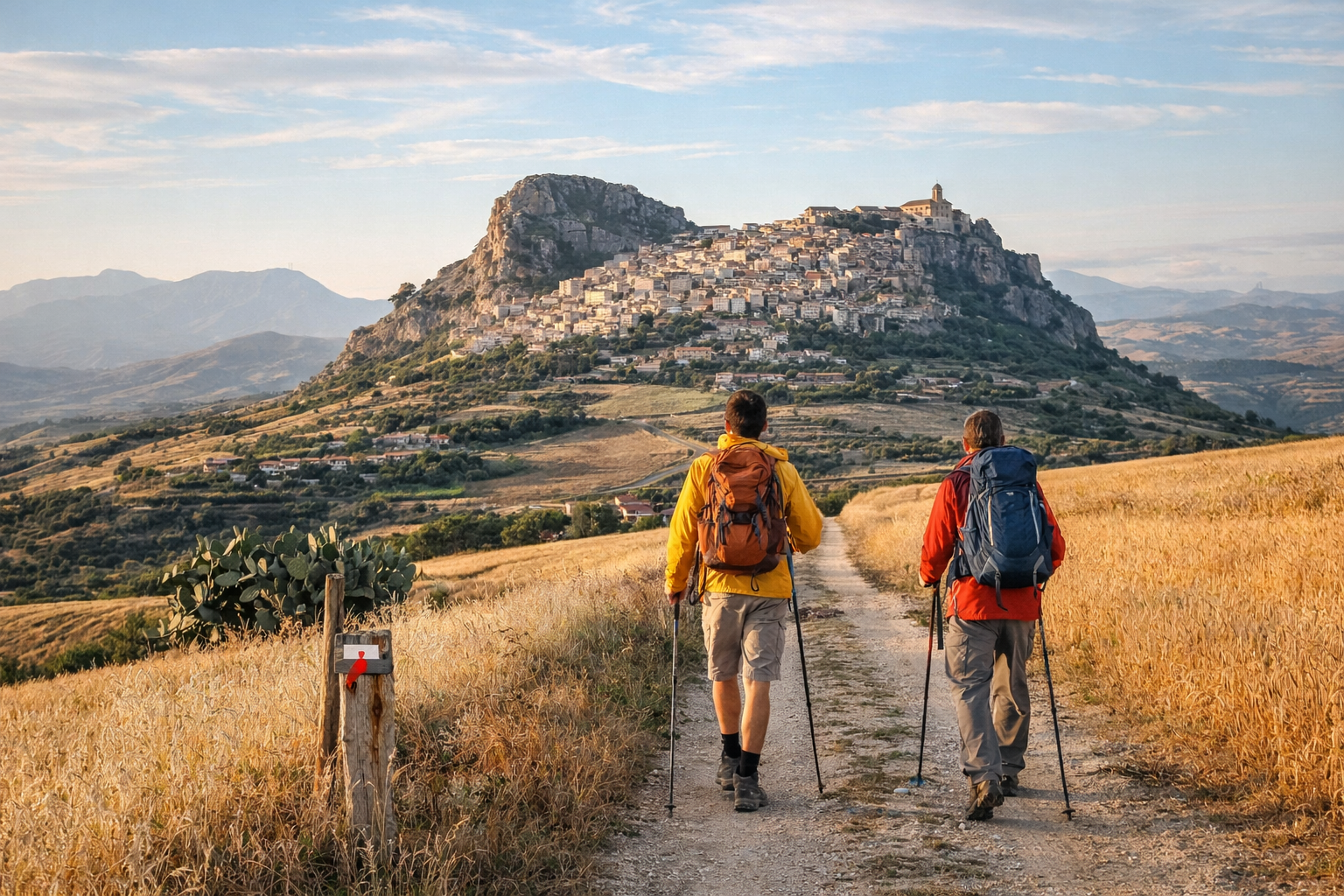
Magna Via Francigena: what it's like to walk Sicily's great historical road
Cammini and cultural itineraries in Italy
Magna Via Francigena: what it's like to walk Sicily's great historical road
A little-known route that crosses the rural heart of Sicily between Palermo and Agrigento, passing through ancient villages, agricultural landscapes and some of the most authentic places on the island.
The Magna Via Francigena It's one of Italy's most interesting historical routes and, at the same time, one of the least known outside the world of pilgrims and hikers. More than a sporting route, it's a way to discover an inland, rural, and unhurried Sicily, very different from the one found on the more classic tourist itineraries. If you're interested in exploring more routes like this, you can also check out our hub for cammini and cultural itineraries in Italy .
A road that runs through the heart of Sicily
For centuries, this route connected the northern coast of Sicily with the south of the island. Merchants, travelers, and pilgrims crossed these hills to reach Agrigento, following rural paths that today allow you to discover a part of Sicily that rarely appears on postcards.
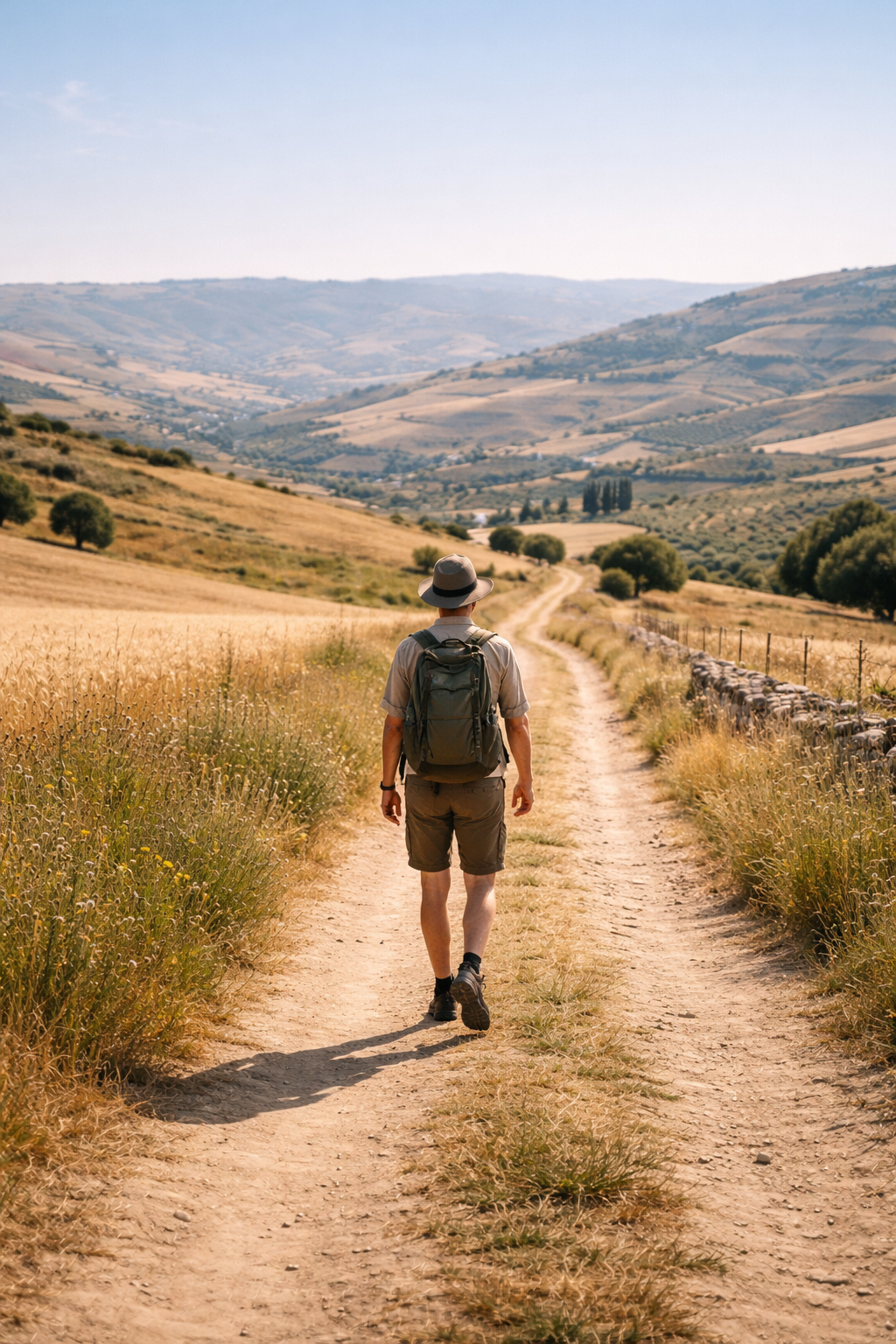
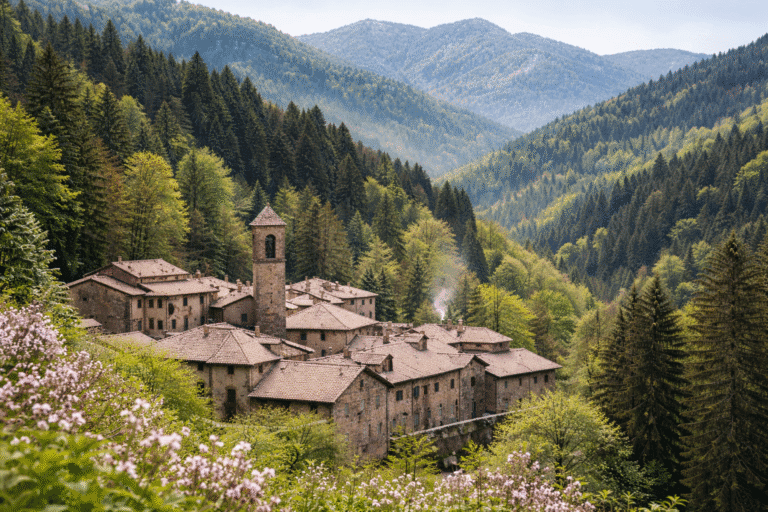
Walking the Magna Via Francigena isn't just about racking up kilometers. It's about entering a land of rolling hills, wheat fields, olive groves, and villages where life moves at a slower pace. It's, in a way, unvarnished Sicily.
From Palermo to Agrigento: a tour of inland Sicily
The path covers approximately 180 kilometers between Palermo and Agrigento. The route is usually divided into nine stages, However, many travelers adjust the distances according to the time available and walking pace.
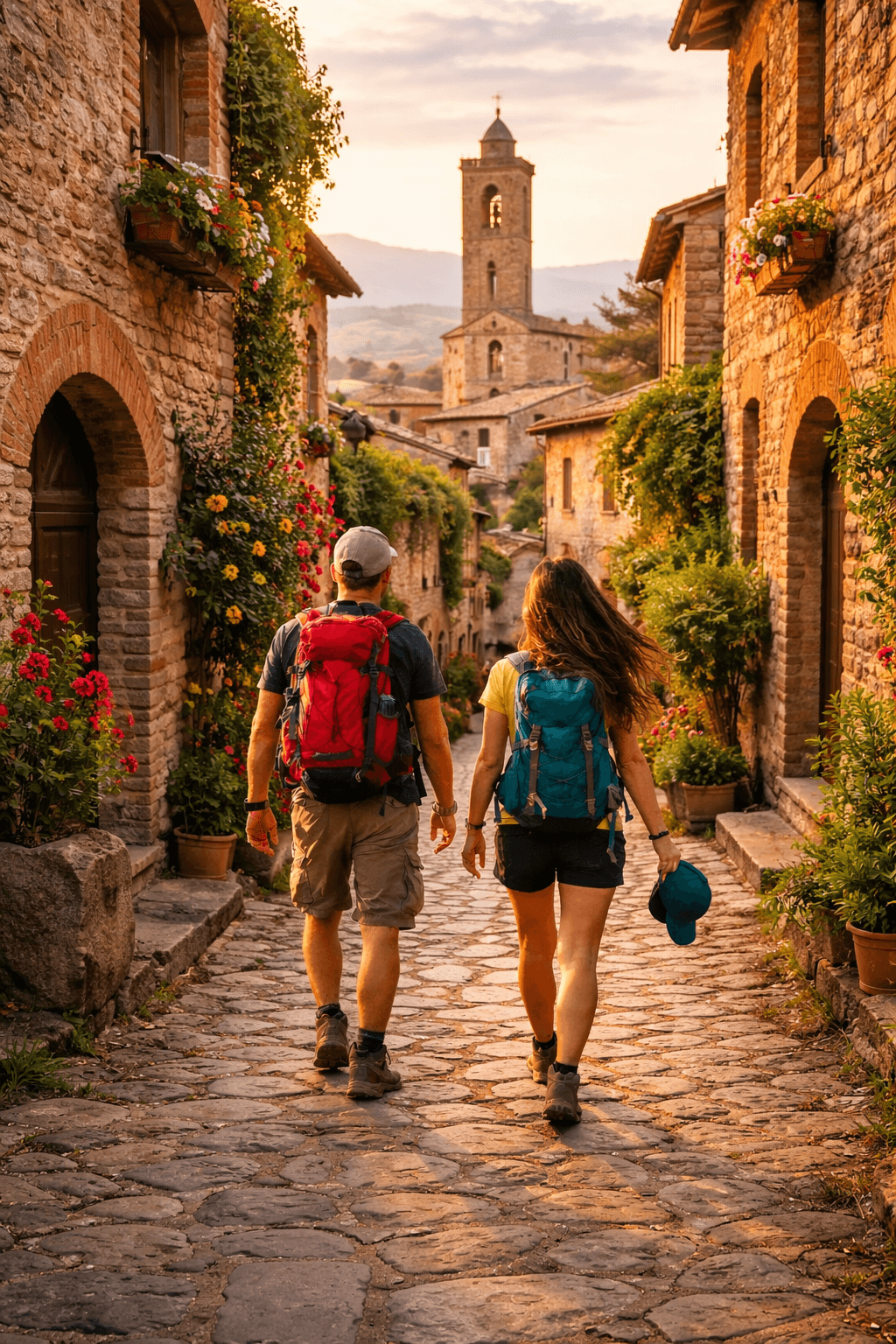
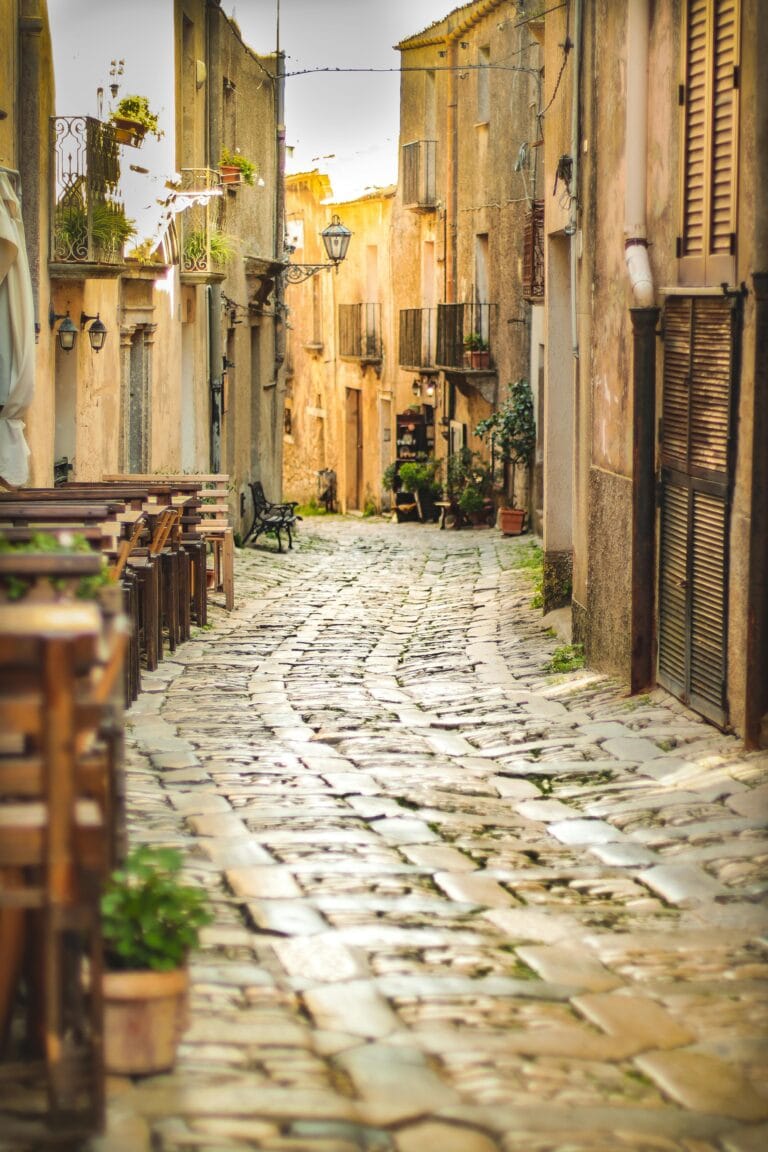
Along the route, you'll find villages that retain a strong local identity and, for many travelers, represent one of the greatest attractions of the journey.
- Corleone, surrounded by mountains and agricultural fields
- Prizzi, situated on a hill with open views of the landscape
- Camerata, dominated by the mountain of the same name
- Sutera, considered one of the most picturesque villages in Sicily
A quiet path, far from mass tourism
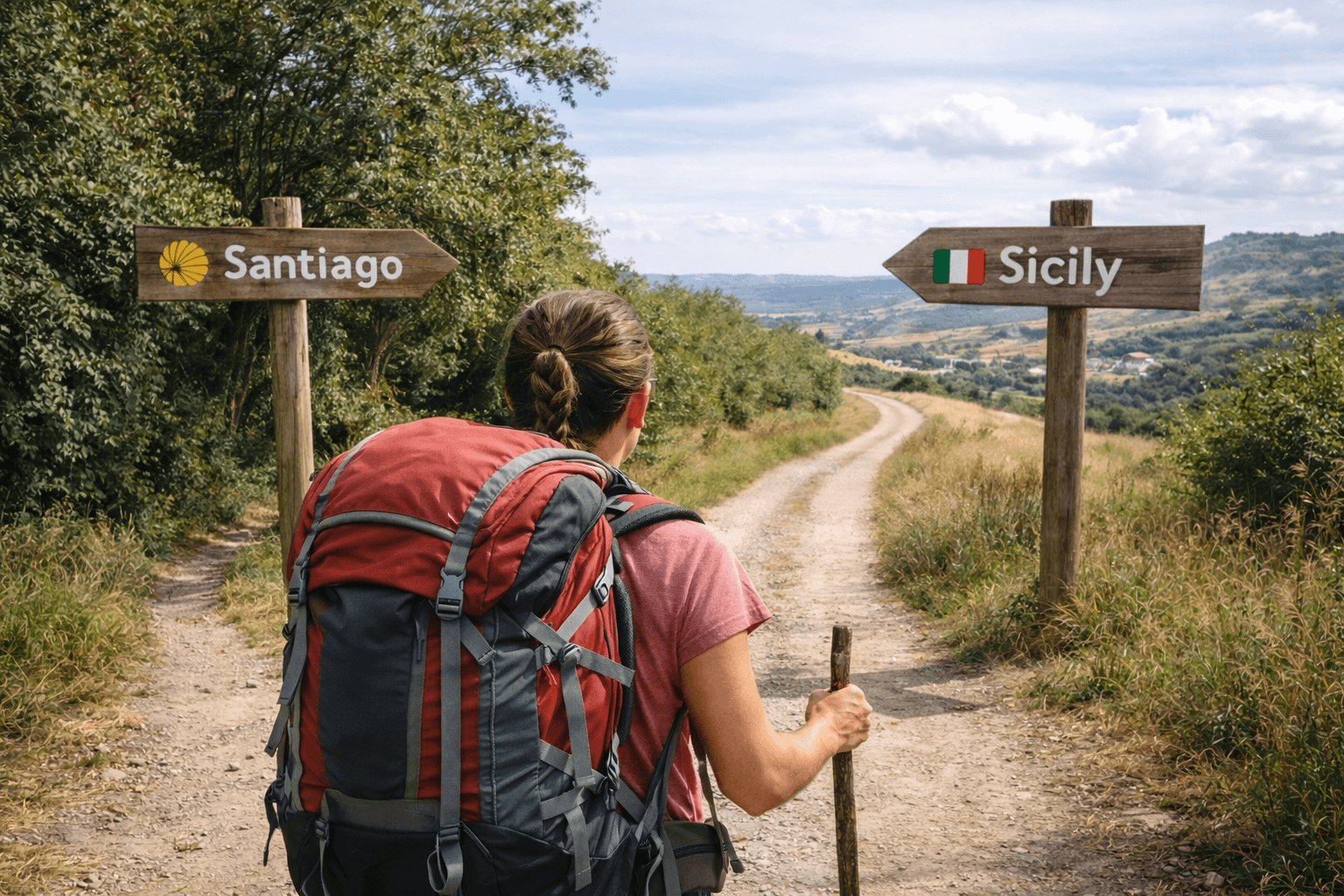
Unlike popular routes such as the Camino de Santiago, the Magna Via Francigena remains a relatively untraveled itinerary. This completely changes the experience. If you'd like to compare both options, here's our guide. Sicily Camino vs Camino de Santiago .
- The trails are usually quieter.
- The villages maintain a more local character.
- Contact with everyday life in Sicily is more direct
What landscapes does the route cross?
The route crosses some of the most characteristic landscapes of inland Sicily. It's not an alpine or high-mountain trail, but rather a route that alternates between hills, country lanes, and sections of moderate incline.
- Hills covered with wheat fields
- Olive groves and agricultural landscapes
- Rural roads between small villages
- Open views over the interior of Sicily
What you should know before walking the Magna Via Francigena
Signaling
The route is marked, but in some rural sections the markings may be more spaced out. Therefore, many hikers recommend carrying a [missing information - likely a map or chart]. GPX track on mobile to confirm the route when necessary.
Water during the stages
Between some villages, there can be several kilometers without any drinking water. It's best to leave with enough water and refill your bottles in each town. Sicily is wonderful; walking around it in the sun without water is a whole different experience.
Accommodation
Most travelers sleep in small B&Bs, rural houses or family-run accommodations in the villages along the way. It's not a route particularly suited for camping, so the most common option is to spend each night in a different town.
Duration of the tour
The entire journey between Palermo and Agrigento usually takes around nine days of hiking, Although many people adapt the trip to their own pace or add an extra day to explore the surrounding area. And if you're wondering whether this route is suitable for traveling alone, you can also read Sicily Camino Safe for Solo Walkers .
The end of the road: the Valley of the Temples
The Magna Via Francigena ends in Agrigento, a city famous for one of the most impressive archaeological sites in the Mediterranean: the Valley of the Temples. After several days among hills and rural villages, arriving at this landscape of Greek temples facing the sea feels like an almost cinematic ending.
Walking around Sicily also means discovering its cuisine
One of the little pleasures of the journey appears at every stop. Between stages, it's easy to find local specialties that turn the hike into a gastronomic experience as well.
- Sicilian cannoli
- Freshly made arancini
- Brioche with gelato
- Pasta alla norma
A different way to discover Sicily
The Magna Via Francigena isn't just for experienced hikers. It's also a unique way to travel around the island, connecting historic towns, rural landscapes, and a lesser-known but deeply memorable side of Sicily. For those looking to discover the island beyond its famous postcards, this route can be one of the most authentic experiences of their trip. If you'd like to explore similar routes, you can continue from here to other cultural routes of Italy .
 English
  Español
  Français
  Italiano