
Shangri-La: frequenza del paradiso perduto
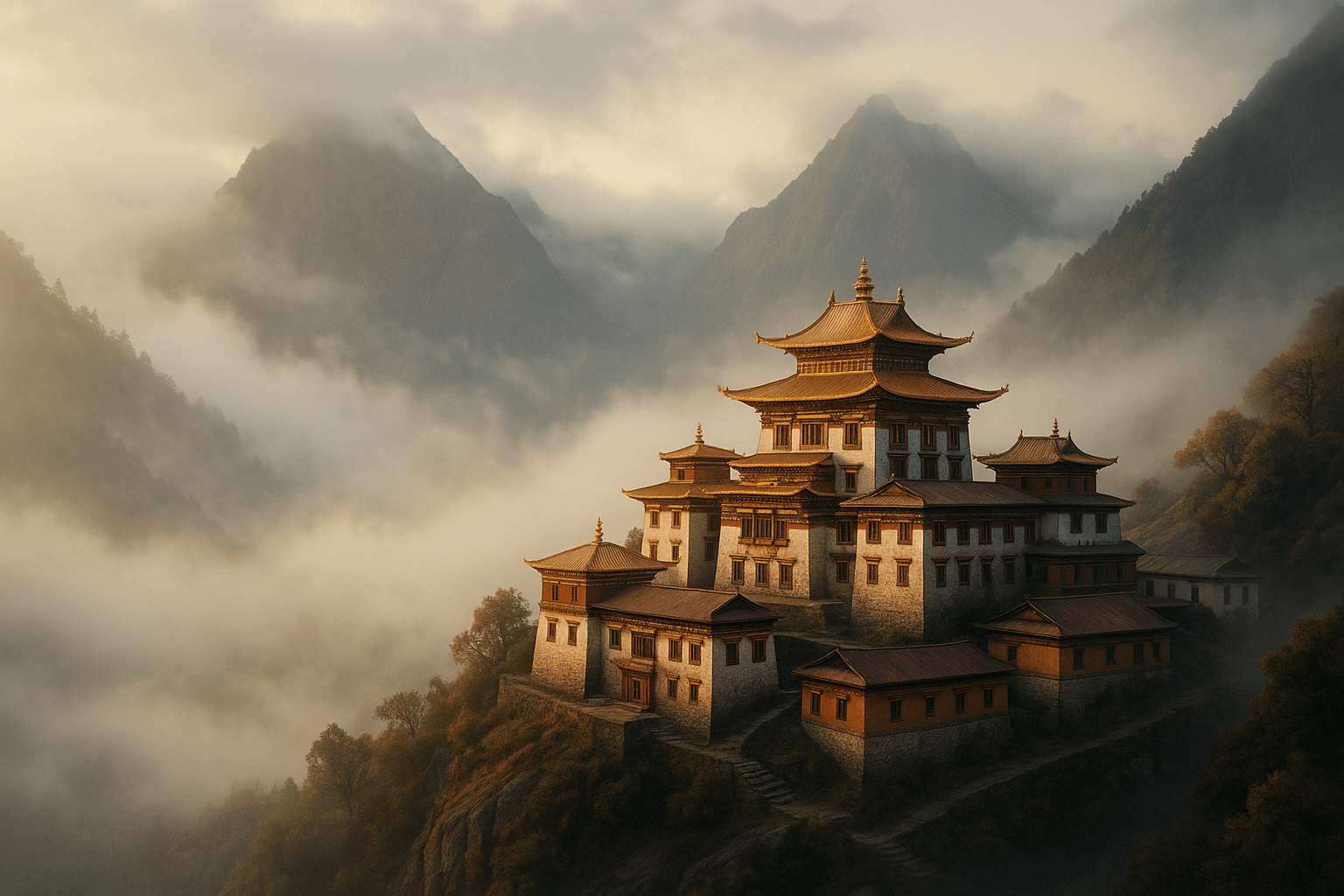
🌫️ Shangri-La: the frequency of eternal paradise
End of my childhood I feel a deep connection with the great classic film in white and black.
The teenager spent a lot of time curious about the bags of vintage shops, his old books and impolverate pellicole.
Orson Welles I collided with The War of the Worlds, a story of extraterrestrial machines that sowed the real world of these realties.
Hitchcock, Invece, my catturava with his usual psychological plot: Luci a gas, Psycho, The birds…
Ombre, paure e porte che scricchiolano dove non dovrebbe esserci nessuno.
And in mezzo a quell'universo in bianco e nero, mia anima trovava sollievo in Audrey Hepburn, in his simple smile, in his spontaneità, in Sabrina and in her impossible love story, or in Roman holidays, dove a principessa dreams only a normal life.
Ma tra tutti, c'è un film que è rimasto inciso en me con un'tensità diverse.
A suspicious story through mystery, beauty and impossibility.
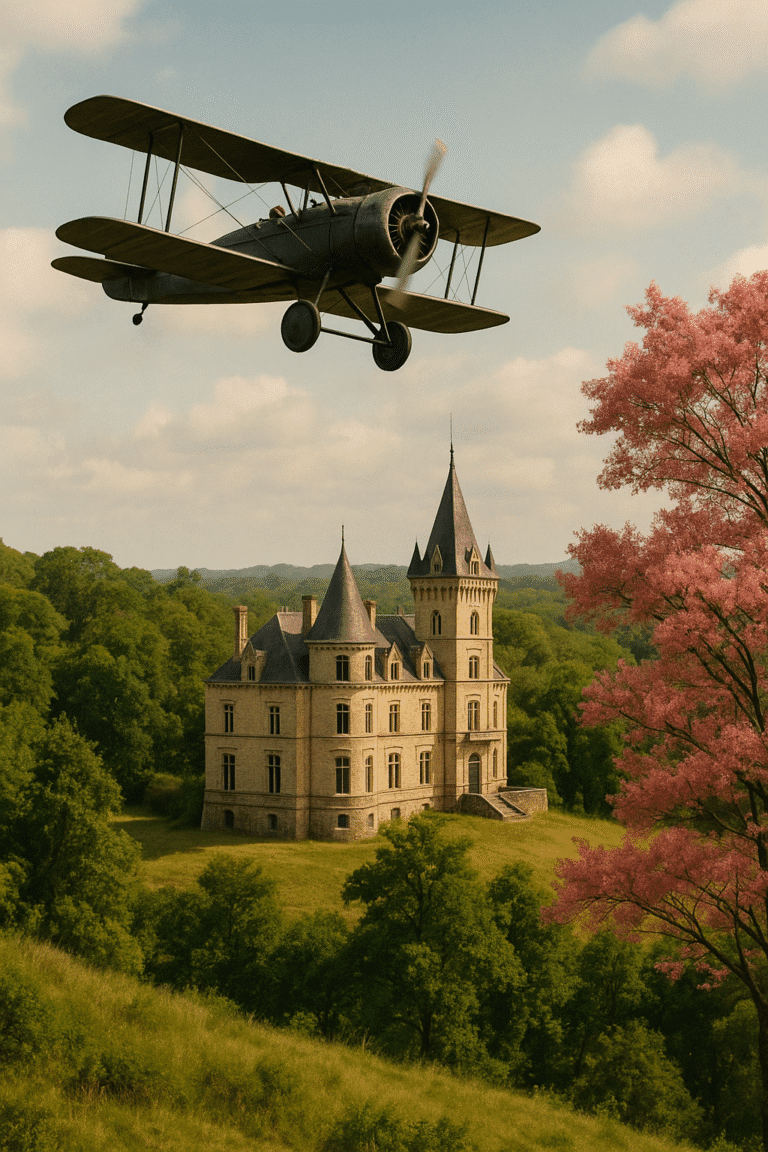
An airplane that precipitates the vette dell'Himalaya.
A nascent city other than those that are visible.
Un film che sento ancora mio: Lost horizon (1937), a novel by James Hilton.
High in the Himalayas, other than the Nepal we know, there is a legendary place: Shangri-La.
A secret valley behind the Kunlun mountain, in the mythical Tibet.
A region that does not compare with its map, but lives in the imagination of which has dreamed at least once, congratulations and peace assoluta.
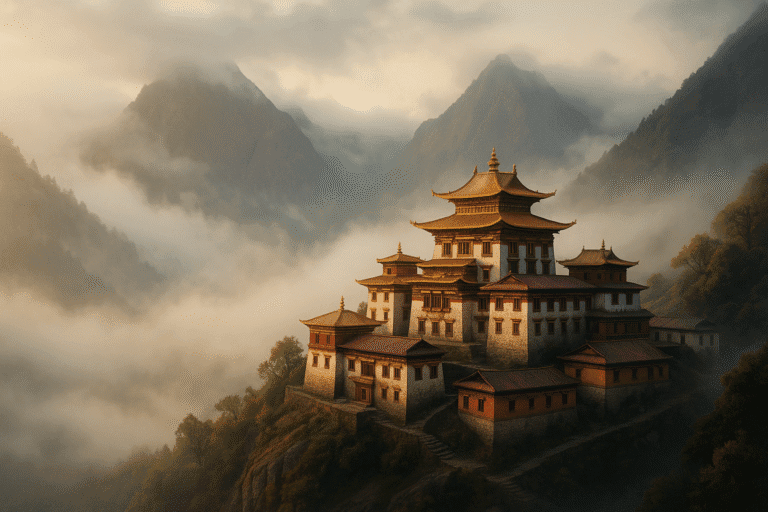
Alte montagne, perpetual mist, silent monasteries, penetrating suoni — forse bells that cross infinite distances — and gardens that are sanno di eternità.
Ricordo with chiarezza quelle scene:
un aereo che sovola cime ghiacciate, una caduta improvvisa nella neve.
I passeggeri che path in a precise direction, for white and white days…
Finché, eat a miraggio, appear Shangri-La.
A secret city behind the rock, immersed in a morbid and unreal light.
Templi dai tetti dorati, acque immobili, fiori che non appassiscono mai.
Volti sereni, abiti leggeri even when the world inside is cold.
Un luogo fuori dal tempo.
Eppure, the protagonist decides to walk.
Non ho mai capito perché.
Have a look at the harmony, the beauty, the perfect suspension of the world…
Eppure qualcosa lo trascinava di new verse il rumore, la fretta, la caducità.
Nella mia innocenza, mi aggrappavo all'immagine di quella valle come chi teme de lose un treasure.
Io non me ne sarei mai andata.
And when lui, anni dopo, pentito, tenta di tornare — guidato da una nostalgia che non può più controllare — trattenevo il respite e desideravo che ritrovasse Shangri-La.
Perché sapevo, senza sapere come, che Shangri-La era più di un luogo.
It was an inner promise.
A secret vibration.
Un'eco dell'anima.
🧘♀️ Il suono che apre la montagna
If you say che, in Nepal, esistano ancora luoghi in cui quell'eco risuona.
In piccoli templi or centri di guarigione nascosti tra vicoli silenziosi, if you practice an ancient meditative art:
the sound guarigione with the tibetan ciotole.
Non è musica. È vibrazione.
A frequenza that if perceived più with the body that with the ear.
When you start playing, the vibration moves slowly through space, and something inside — and inside the sky — changes.
It comes from an istante that diventa eternal present.
Come se, in qualche moda, ci riconnettesse a un luogo lontano, ricardato, forse sognato.
Molti lo descrivono così:
una sensazione di leggerezza.
Say return to something that is not known, but that is known.
E in quello stato, Some believe that it is possible to read, for an instant, that we know so much about the cinema, in the book, in the memory...
Forse Shangri-La non si trova su una mappa.
Ma forse - just forse - your frequency can be perceived in the deep vibration of a Tibetan cytola,
When your sound enters your body, it touches your soul and everything that is not essential.

 English
  Español
  Français
  Italiano